
From energy spend to guaranteed savings.
Energy audits, ESCO retrofits with guaranteed shared savings, ongoing management programs, and renewable energy. For building owners and operators who want measured reductions, not estimates.

Energy is the largest controllable cost.
In the GCC, cooling alone can be 50 to 70 percent of a building's electricity load. Energy is usually the single largest controllable operating cost, and the biggest source of Scope 1 and 2 emissions. Reducing it cuts cost and carbon in the same move.
Most buildings run on default settings and reactive maintenance. The savings sit in the gap between how a building is operated and how it could be, visible only through metering, analysis, and the discipline to act on what the data shows. That is the work we do.
Seven services. One measured outcome.
Every engagement is built around evidence: a baseline you can trust, measures ranked by payback, and savings verified against that baseline rather than assumed.
Energy Audits
A detailed energy assessment built on metered consumption analysis, an on-site survey of HVAC, lighting, controls, and major plant, and benchmarking against comparable buildings. The output is a costed list of energy saving measures ranked by saving, capital, and payback.
Includes meter analysis, site survey, benchmarking, ranked measure listESCO Retrofits
Energy performance contracting with guaranteed or shared savings. We fund, deliver, and verify the retrofit, so the saving pays for the work with little or no upfront capital.
Energy Management Programs
Ongoing meter reading and analysis, monthly energy reporting, trend analysis, and benchmarking so consumption stays controlled long after the audit.
Renewable Energy
On-site solar feasibility, financial modelling, and procurement advisory, including direct purchase and power purchase agreement (PPA) options.
Measurement & Verification
IPMVP-aligned verification of savings against an established baseline, adjusted for weather and occupancy, so claimed savings become verified savings.
Utility Cost Verification
Utility bill validation, tariff review, and demand-charge analysis to catch billing errors and optimization opportunities on the cost side.
ISO 50001 & Continuous Improvement
Energy management system setup to ISO 50001, operator training, and a continuous-improvement cadence that keeps gains in place year on year.
Four phases. Savings you can verify.
The methodology below structures every Energy Management engagement. Phase 1 establishes the baseline and the opportunity. Phases 2 to 4 scale to the size and ambition of the program.
-
Phase 01
Assessment and baseline
Understand how the building actually uses energy. Analyse meter data, survey the major systems on site, benchmark against comparable buildings, verify the utility bills, and identify the full set of energy saving measures.
- Detailed energy audit and on-site survey
- Meter data analysis and benchmarking
- Utility cost verification
- Identification of energy saving measures
-
Phase 02
Energy management plan
Turn the measures into a plan. Rank each one by payback, separate the no-cost and low-cost operational fixes from the capital measures suited to an ESCO retrofit, and set the targets and reporting structure for the program.
- Measures prioritized by saving and payback
- No-cost and low-cost vs ESCO capital measures
- Savings targets and KPI framework
- Reporting structure and ownership
-
Phase 03
Implementation
Deliver the savings. Execute the no-cost operational measures immediately, deliver the capital retrofit through an ESCO model where it fits, optimize the BMS and HVAC, and integrate renewable generation where viable.
- No-cost and low-cost measures executed
- ESCO retrofit delivery (guaranteed / shared savings)
- BMS and HVAC optimization
- Renewable energy integration where viable
-
Phase 04
Monitoring, M&V, and continuous improvement
Prove and protect the saving. Track consumption through ongoing metering and monthly reporting, verify savings against the baseline using IPMVP, train the operating team, and refresh the measure list as the building changes.
- Ongoing meter reading and monthly reports
- Measurement and verification (IPMVP)
- Operator training
- Continuous improvement and measure refresh
Hotel Optimizer turns audits into recurring savings.
Our energy benchmarking platform tracks consumption against peer and internal baselines, surfaces drift the moment it appears, and converts one-off audits into a continuous savings program. Deployed across 100+ hotels in 55 cities, with measurable results.
Explore Hotel Optimizer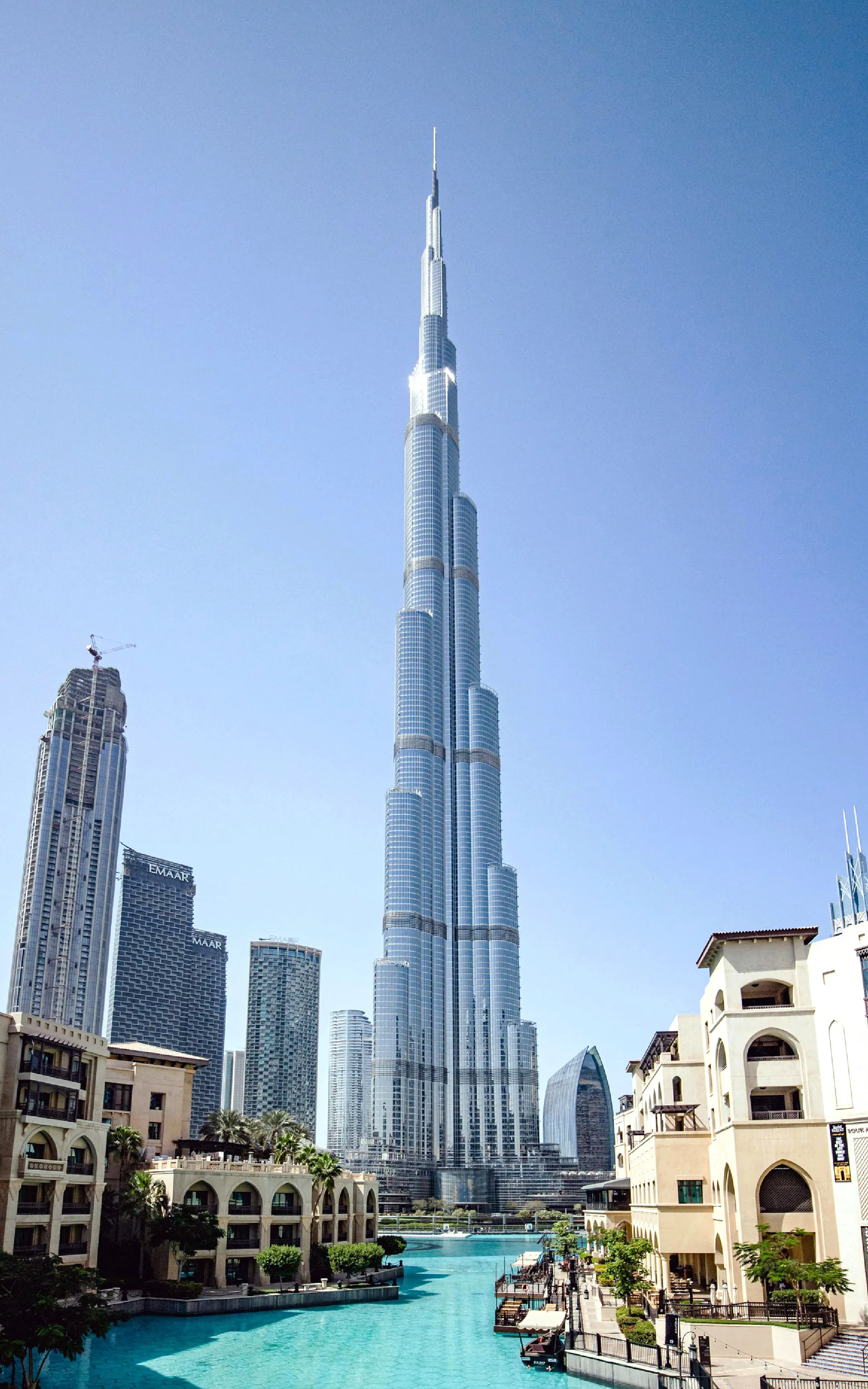
Energy management for the world's tallest tower.
Emaar · Burj Khalifa · Dubai · ongoing energy program
Farnek delivers the ongoing energy management program for Burj Khalifa, combining detailed metering and analysis, identification of energy saving measures, and continuous optimization across one of the most complex building loads in the world.
Methods, not guesswork.
Audits, retrofits, and savings verification follow internationally recognized methods, so the numbers can be reviewed, compared, and trusted across the contract term.
Our team includes Certified Energy Managers (CEM) and Certified Measurement and Verification Professionals (CMVP), accredited through the Association of Energy Engineers.
- ISO
50001 - ASHRAE
- IPMVP
- CEM
- CMVP
- AEE
- Etihad
ESCO - Tarsheed
Questions decision-makers ask us.
Common questions from facilities directors, building owners, and CFOs weighing up an energy program. If yours is not here, get in touch below.
What is an ESCO and how does guaranteed or shared savings work?
An ESCO (Energy Service Company) funds and delivers energy efficiency retrofits and is paid from the savings those measures generate. Under a guaranteed savings model the ESCO guarantees a minimum saving; under a shared savings model the saving is split between the client and the ESCO over the contract term. In both cases the building owner typically pays little or no upfront capital, and the measures are verified before payment.
What does an energy audit involve?
An energy audit reviews how a building consumes energy: metered consumption analysis, an on-site survey of HVAC, lighting, controls, and major plant, benchmarking against comparable buildings, and a list of energy saving measures ranked by saving, cost, and payback. The output is a clear, costed action plan rather than a generic report.
How much can we realistically save on energy?
It depends on the building, but no-cost and low-cost operational measures often deliver 5 to 15 percent with little or no capital. Deeper retrofits through an ESCO can reach further. In the GCC, cooling is typically 50 to 70 percent of a building's electricity load, so HVAC optimization is usually where the largest savings sit. We size the opportunity during the audit before anyone commits.
What is measurement and verification (M&V)?
Measurement and verification is the discipline of proving that savings are real. We establish a baseline, then measure consumption after the measures are implemented and adjust for variables such as weather and occupancy, following the IPMVP protocol. M&V is what turns a claimed saving into a verified one, which matters for ESCO contracts and for carbon reporting.
Does energy efficiency reduce our carbon footprint?
Yes. Purchased electricity and on-site fuel are the largest sources of Scope 1 and 2 emissions for most buildings, so reducing energy use directly reduces the carbon footprint. Energy management is usually the single most cost-effective lever in a decarbonization plan, which is why we coordinate it closely with our Carbon Management team.
Is on-site solar viable for our building in the UAE?
Often, yes. The UAE has strong solar resource and supportive net-metering schemes such as Dubai's Shams programme. Viability depends on available roof or land area, load profile, and tariff. We run a feasibility study covering generation potential, financial return, and procurement options including direct purchase and power purchase agreements.
Talk to our energy team.
A 30-minute consultation, no commitment. We walk through your current energy spend, the quickest wins, and whether an ESCO retrofit fits.